Explore
Today's Universe
Everything happening above Us.
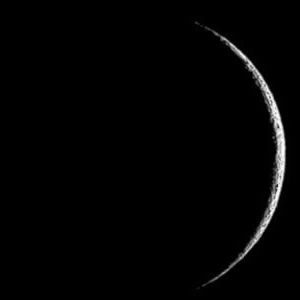
Moon Phase
New Moon
0.5% illuminated
ISS Position
Locating…
Live tracking
Next Launch
Starlink Group 15-25
--d --h --m
Meteor Activity
Low · Orionids
12% chance tonight
Last Updated
just now
Auto refresh every 15 min

Astronomy Picture of the Day
Powered by NASA APOD
Sunspots Today
Powered by NASA/ESA SOHO & NOAA SWPC
Counting sunspots…
Image · NASA/ESA SOHO
Sunspots are cooler, darker patches on the Sun's visible surface where intense magnetic fields push up through the photosphere and slow the flow of heat from below. They are typically a couple of thousand degrees cooler than their surroundings, can grow larger than Earth, and drift across the disc as the Sun rotates roughly once a month.
Counting them matters: the sunspot number tracks the Sun's roughly 11-year activity cycle, and the biggest, most magnetically tangled groups are the launch pads for solar flares and coronal mass ejections. Those storms drive aurorae, but can also disturb radio communication, GPS accuracy, satellites and power grids — so daily counts from observatories like SOHO underpin space-weather forecasting and our understanding of stellar magnetism.
Open Sun Observation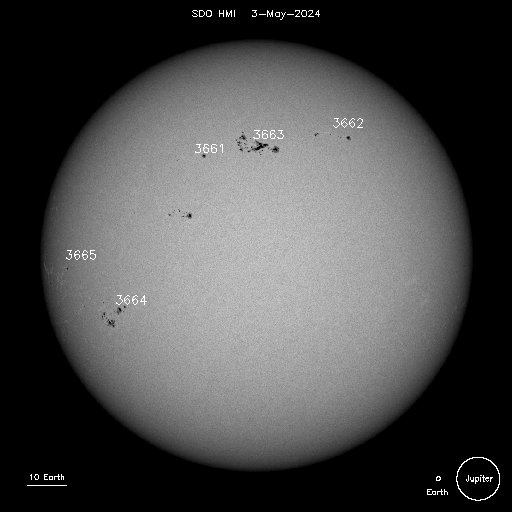
Black-and-white white-light map of the solar disc with Earth shown to scale — every dark speck is a sunspot group. Never look at the Sun directly — use certified solar filters.
Astro Updates
Today's Top Stories
News Stories
Last updated just now
Open FeedSky Mapper
Tonight's Sky
0.5% illuminated
Visible tonight

Upcoming Launches
Next Mission
SpaceX
Starlink Group 15-25
13 Oct 2026, 4:30 am IST
Countdown
--d --h --mWeekly Quiz
Week
#41
10 questions, freshly shuffled every time you play.
Recently added
New in Navars Space Lab
Quick Facts
2 Trillion
Galaxies in the observable universe
4.5 Billion
Years old, the Sun
8
Planets in our Solar System
100M+
Stars orbit Milky Way's black hole
"The universe is not outside of you. Look inside yourself; everything that you want, you already are." — Rumi